Omexom develops OPS system at the Port of Leixões
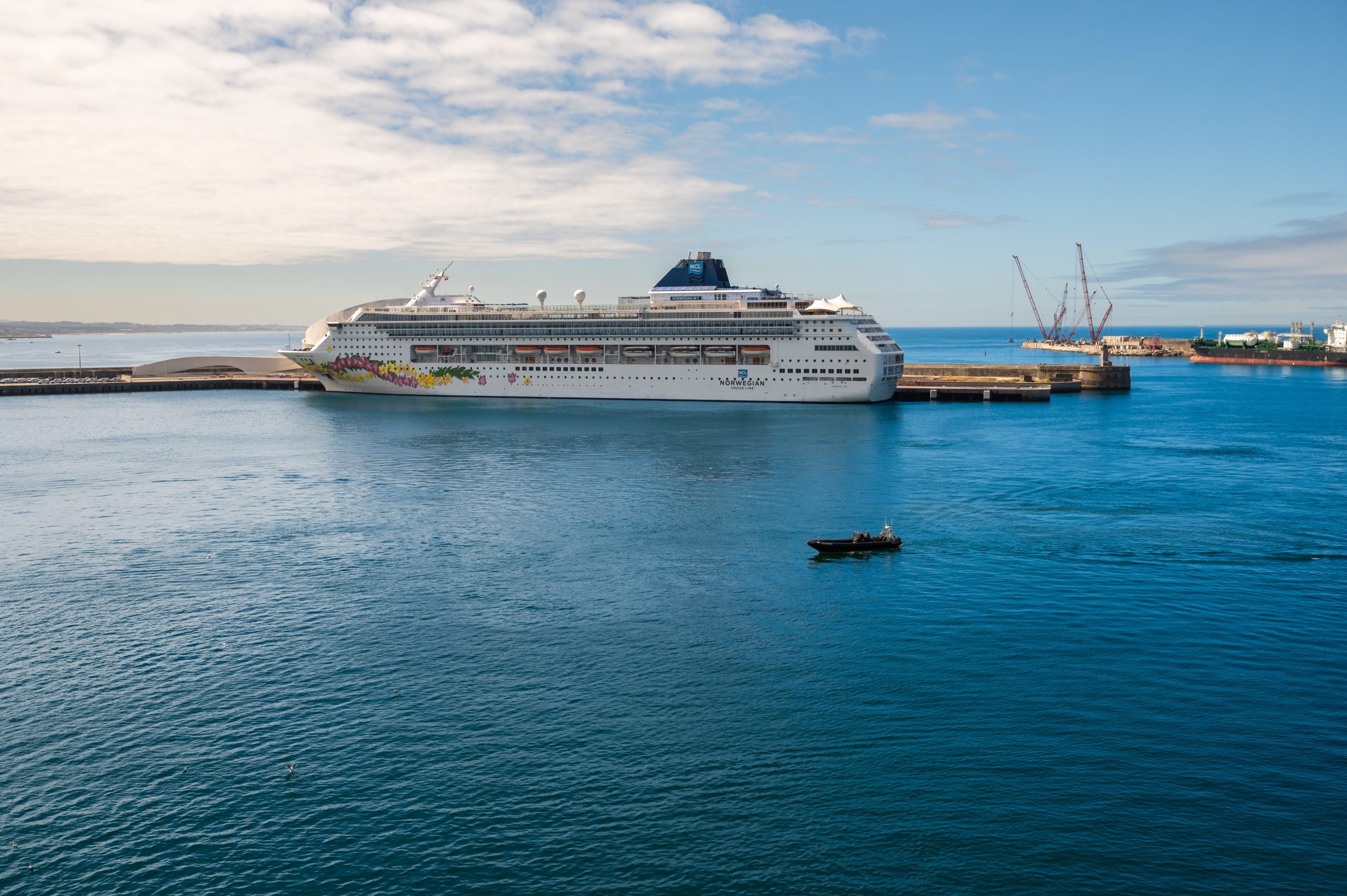
A solution under development in Portugal by VINCI Energies’ Omexom and Actemium brands will allow cruise ships to switch off their engines while at berth, eliminating fuel consumption and significantly reducing the environmental impact of port calls.
Omexom is tackling one of the biggest challenges of the energy transition in the maritime and port sector: electrifying berthing. Together with Actemium — both VINCI Energies brands in Portugal — the team is developing an OPS (Onshore Power Supply) system for the Leixões Cruise Terminal, as part of a strategic project led by APDL – Administração dos Portos do Douro, Leixões e Viana do Castelo (Douro, Leixões and Viana do Castelo Port Authority). The project also draws on the technical expertise of Actemium Brest, in France, strengthening the group’s ability to meet an engineering challenge of high technical complexity.

The solution is simple in concept and demanding in execution: connect ships directly to the onshore electricity grid so they can switch off their engines while berthed. During a port call, which typically lasts several hours, a cruise ship can consume as much energy as thousands of homes — between 50 and 70 MWh. That energy will now be supplied by the onshore grid, eliminating the use of diesel generators and cutting CO₂ emissions by 70% to 90% per call.
-
Project scale
Project scale
To meet this level of demand, the system will provide up to 16 MVA of power — enough to supply a small city of 5,000 households — in a phased approach: 8 MVA from the first stage, scaling up to the full installed capacity. On site, the solution includes a shore-side substation, a mobile cable management system (CMS) and a SCADA platform for real-time supervision, paving the way for future centralised port management.